Impact
Impact you can verify.
Three numbers, three UN goals. Every number is backed by its method and a source.
SDG 3 · Good healthSDG 12 · Responsible productionSDG 8 · Decent work
Less sodium in food.
A residue put to use.
More value from the same harvest.
Scroll
SDG 3 · Good health and well-being
Less sodium in food.
Sodium chloride replaced in food every year.
SDG 12 · Responsible consumption and production
A residue put to use.
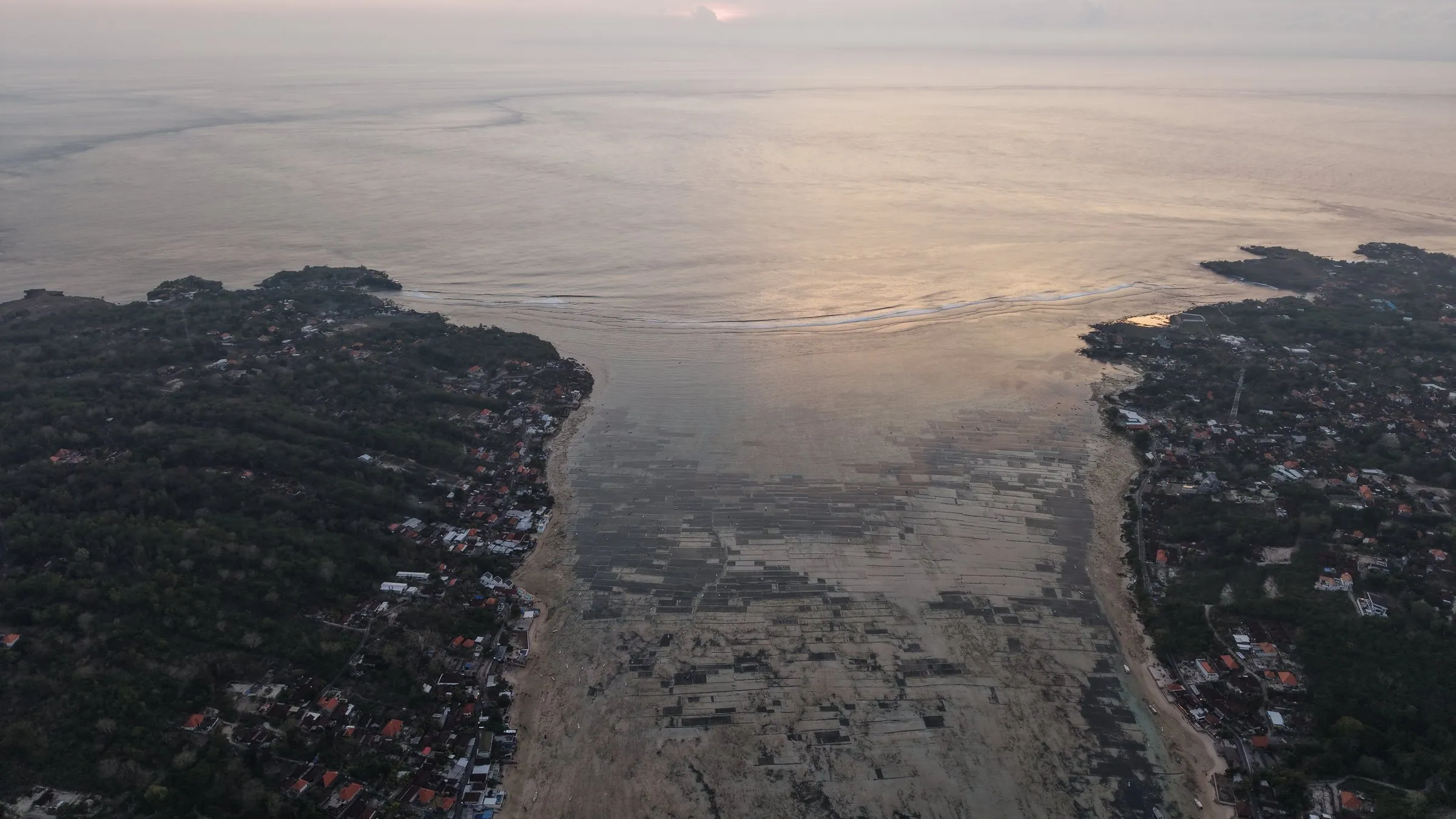
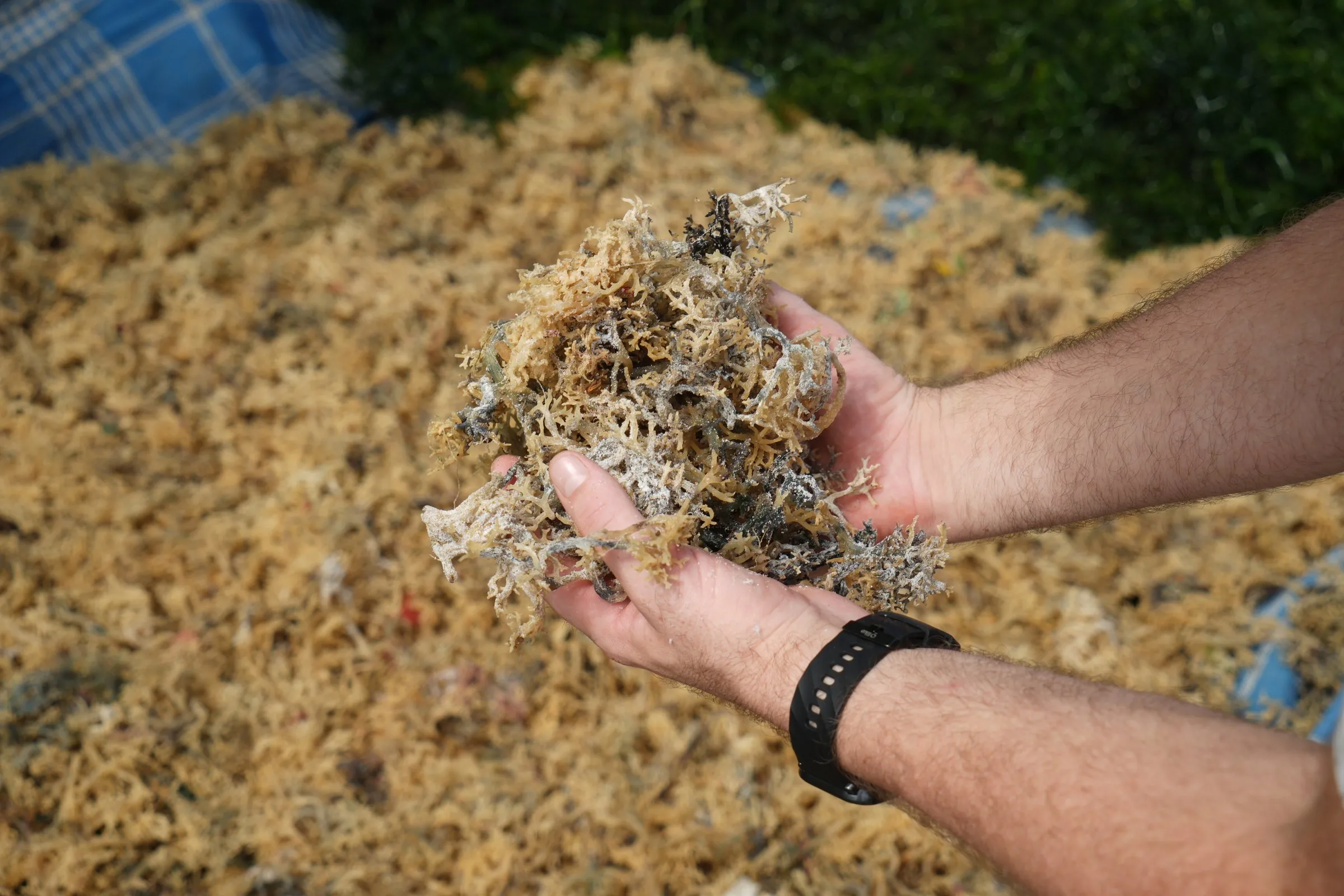
3,700 t of seaweed side-stream a year become 2,000 t of food-grade KCl.
SDG 8 · Decent work and economic growth
More value from the same harvest.
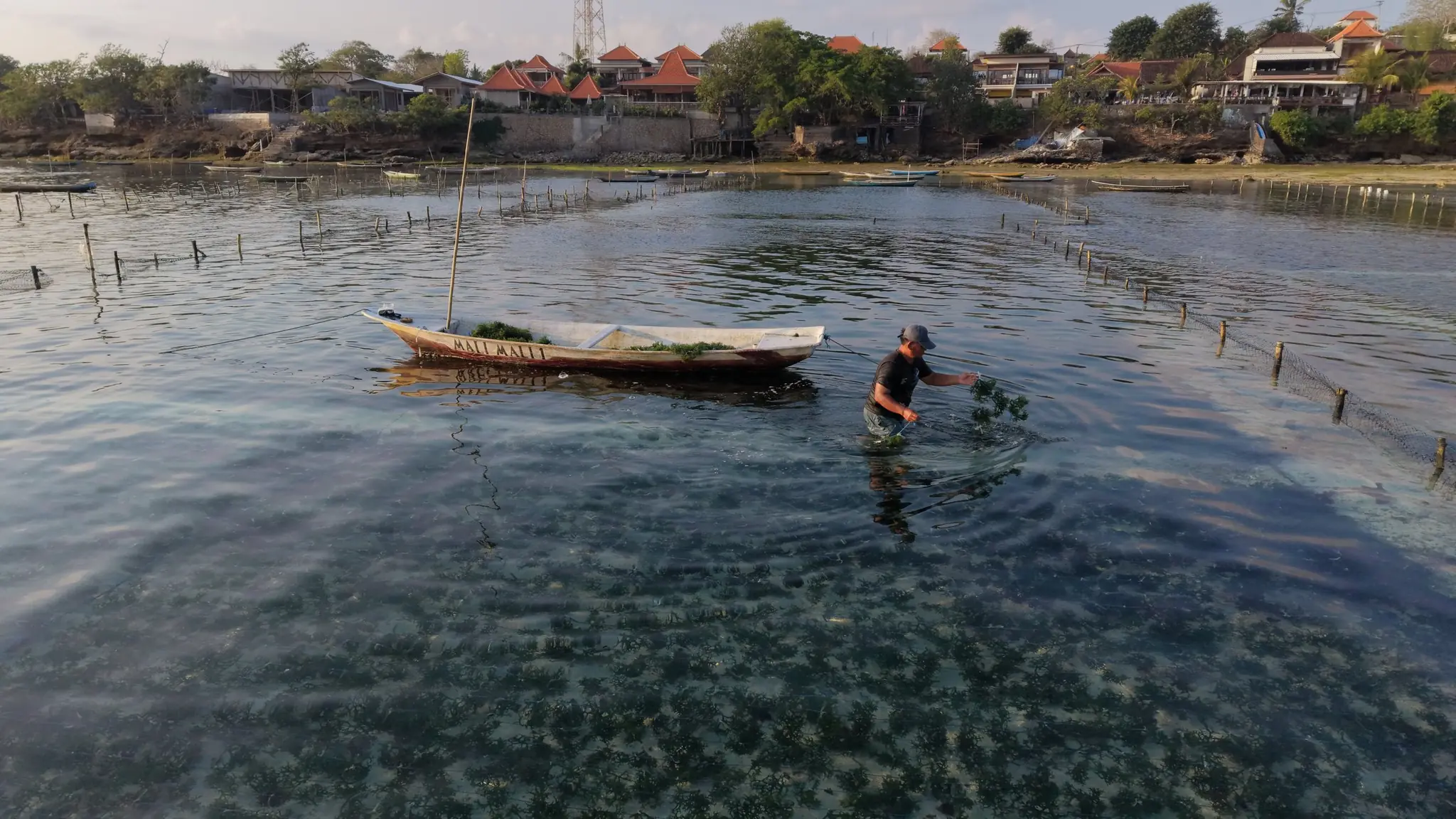
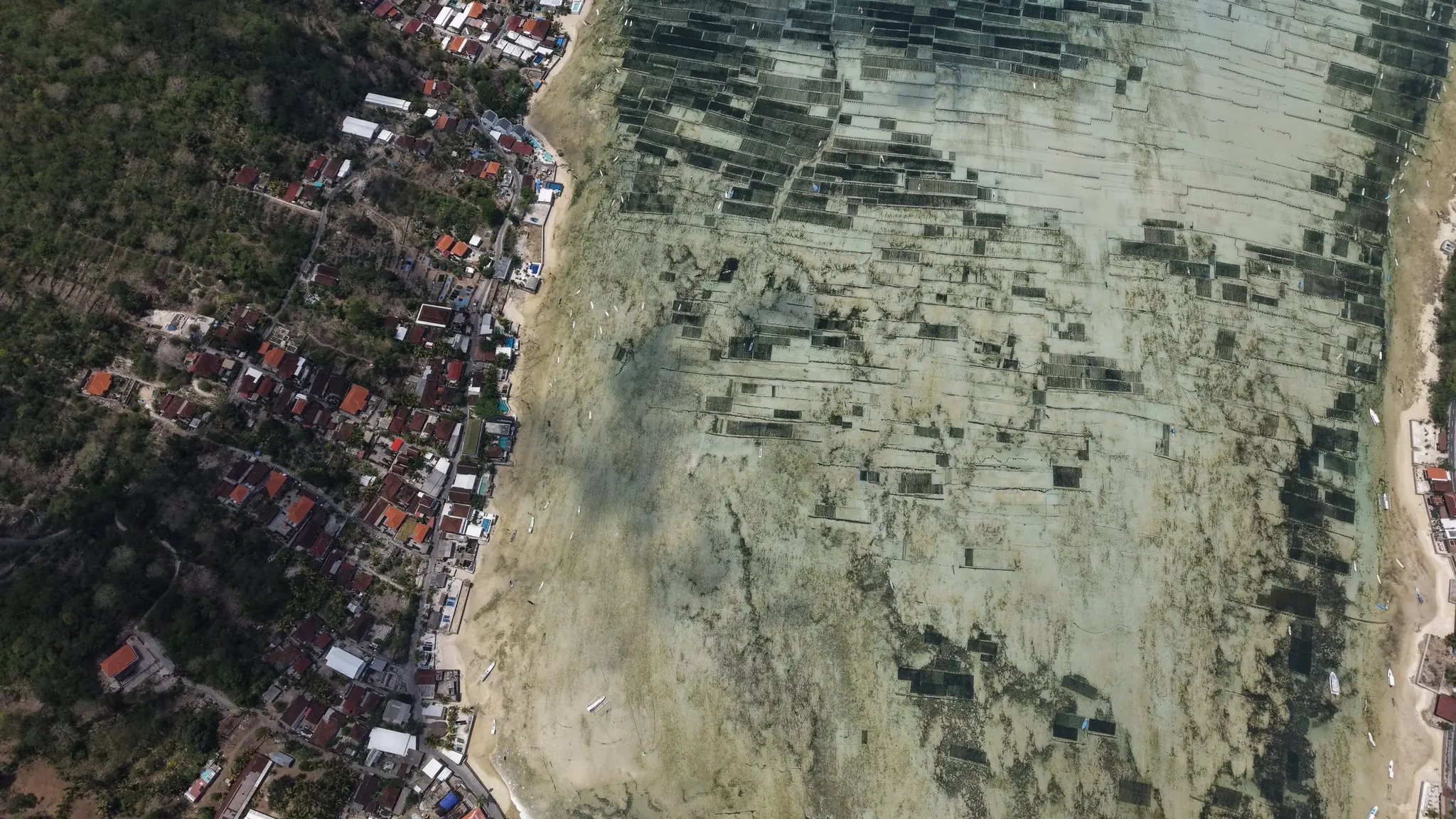
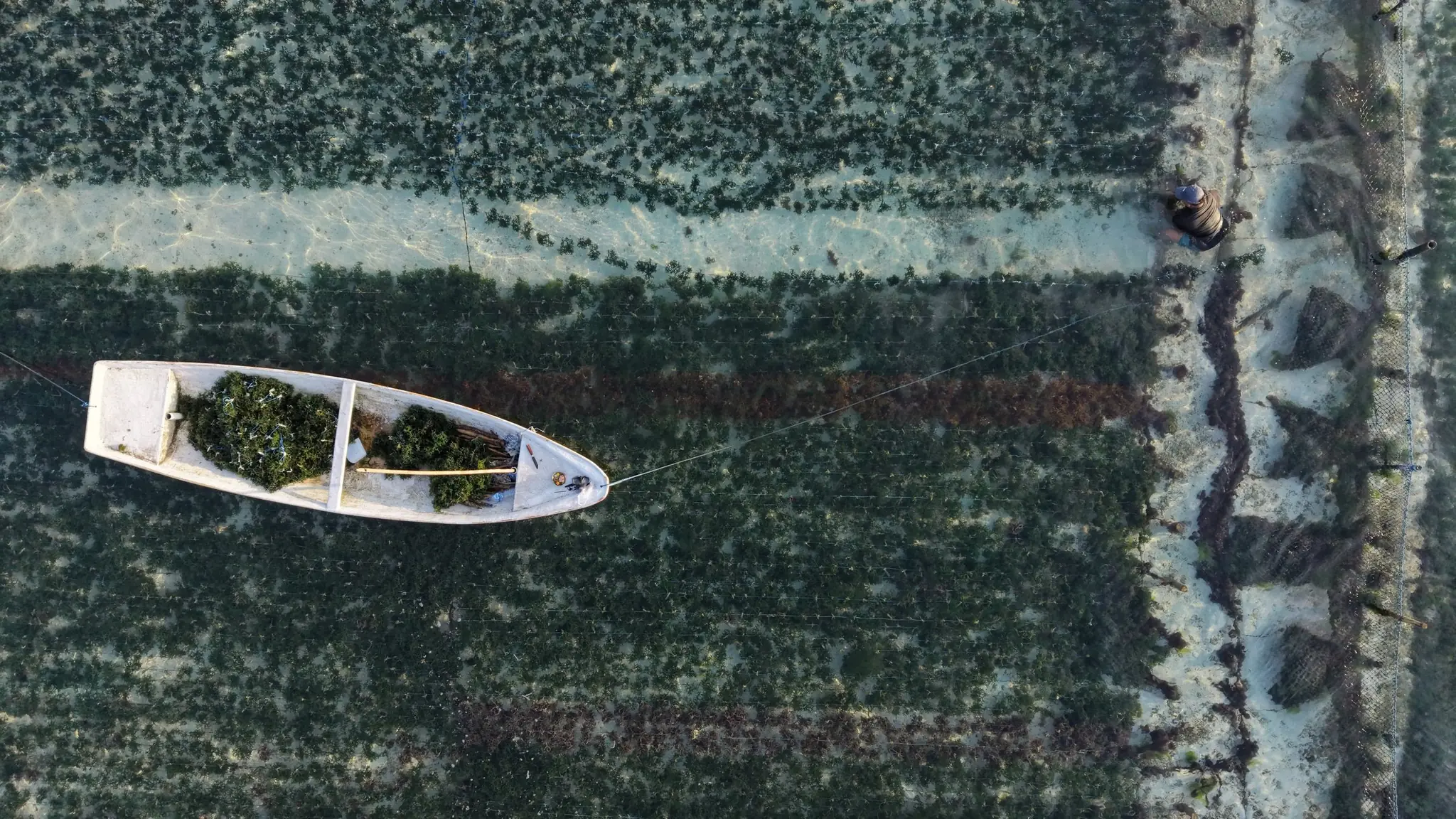
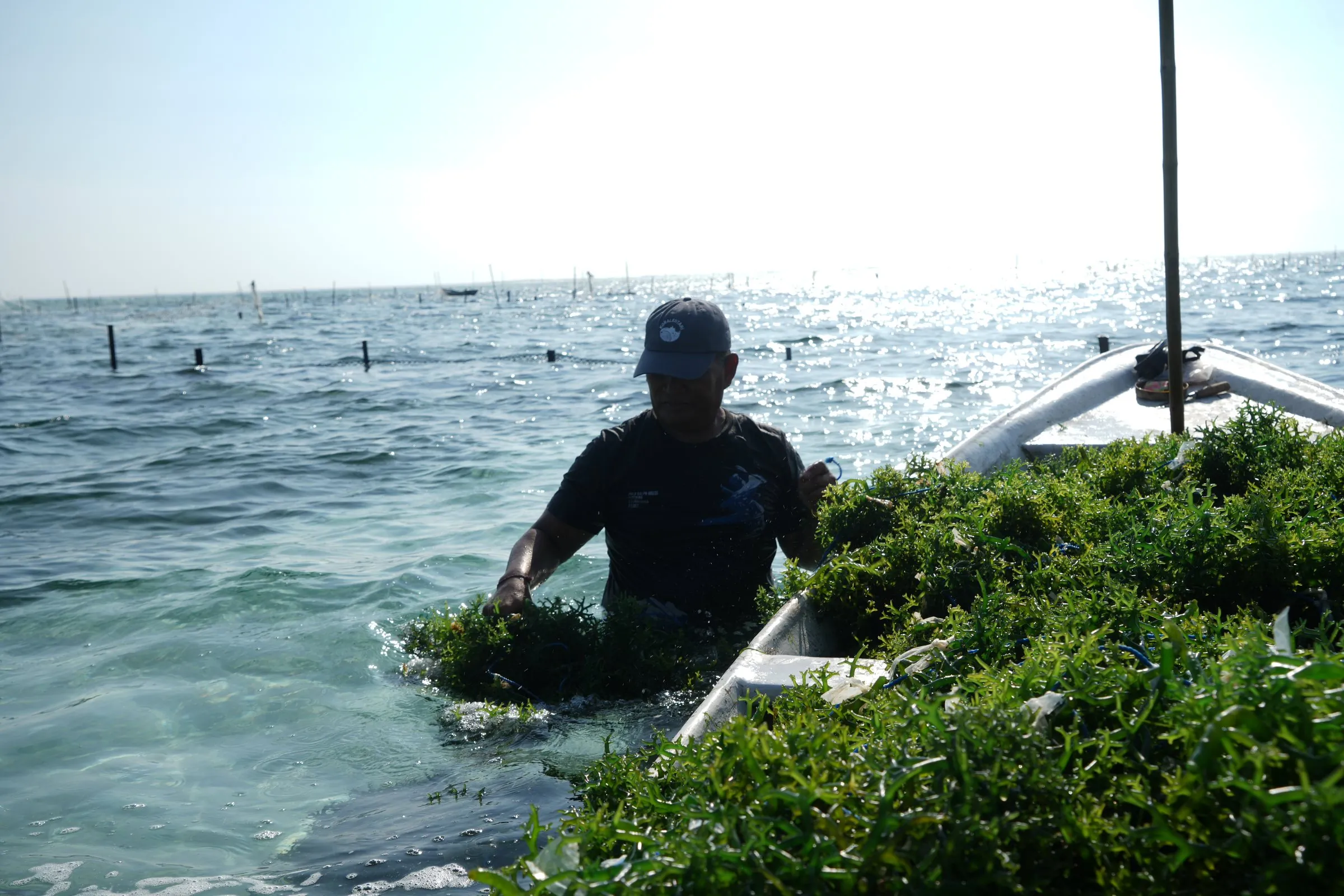
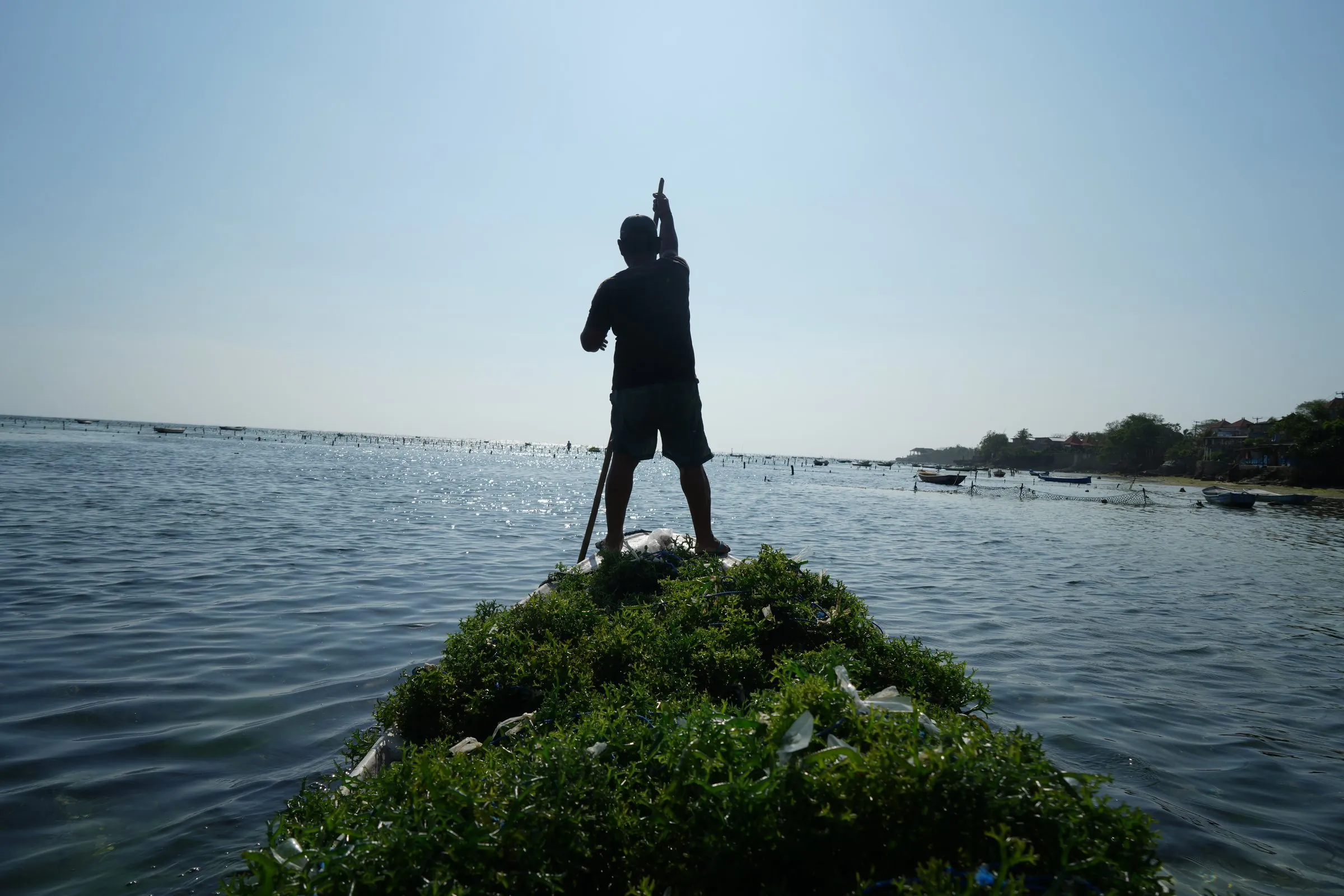
256,000 families farm seaweed in Indonesia. We pay processors for the salt crust, so part of the value flows back into the chain.
Method
How we count.
01Built on production, not promises.
Every number is tied to tonnes we actually produce: 2,000 t of KCl a year at the First Commercial Plant.
Every number is tied to tonnes we actually produce: 2,000 t of KCl a year at the First Commercial Plant.
02Use public data for context.
WHO, FAO and UNIDO sources behind every number.
WHO, FAO and UNIDO sources behind every number.
03No claims about lives saved.
We report sodium replaced in food. Health outcomes are for health authorities to measure.
We report sodium replaced in food. Health outcomes are for health authorities to measure.
04From 2028, live.
Once production starts, these numbers will be updated from real harvests.
Once production starts, these numbers will be updated from real harvests.
For the value chain