Potassium chloride.
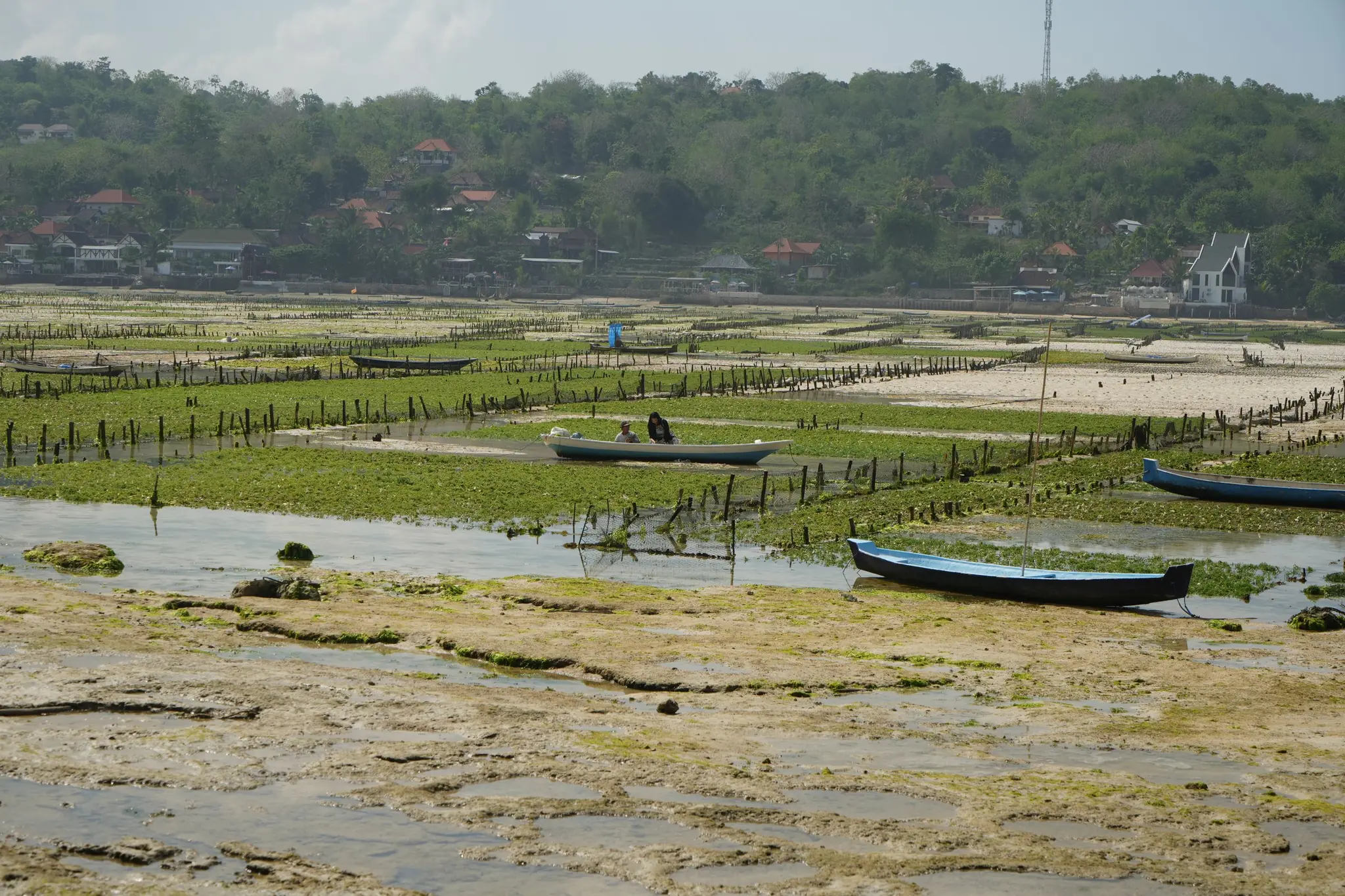
From the sea, not a mine.
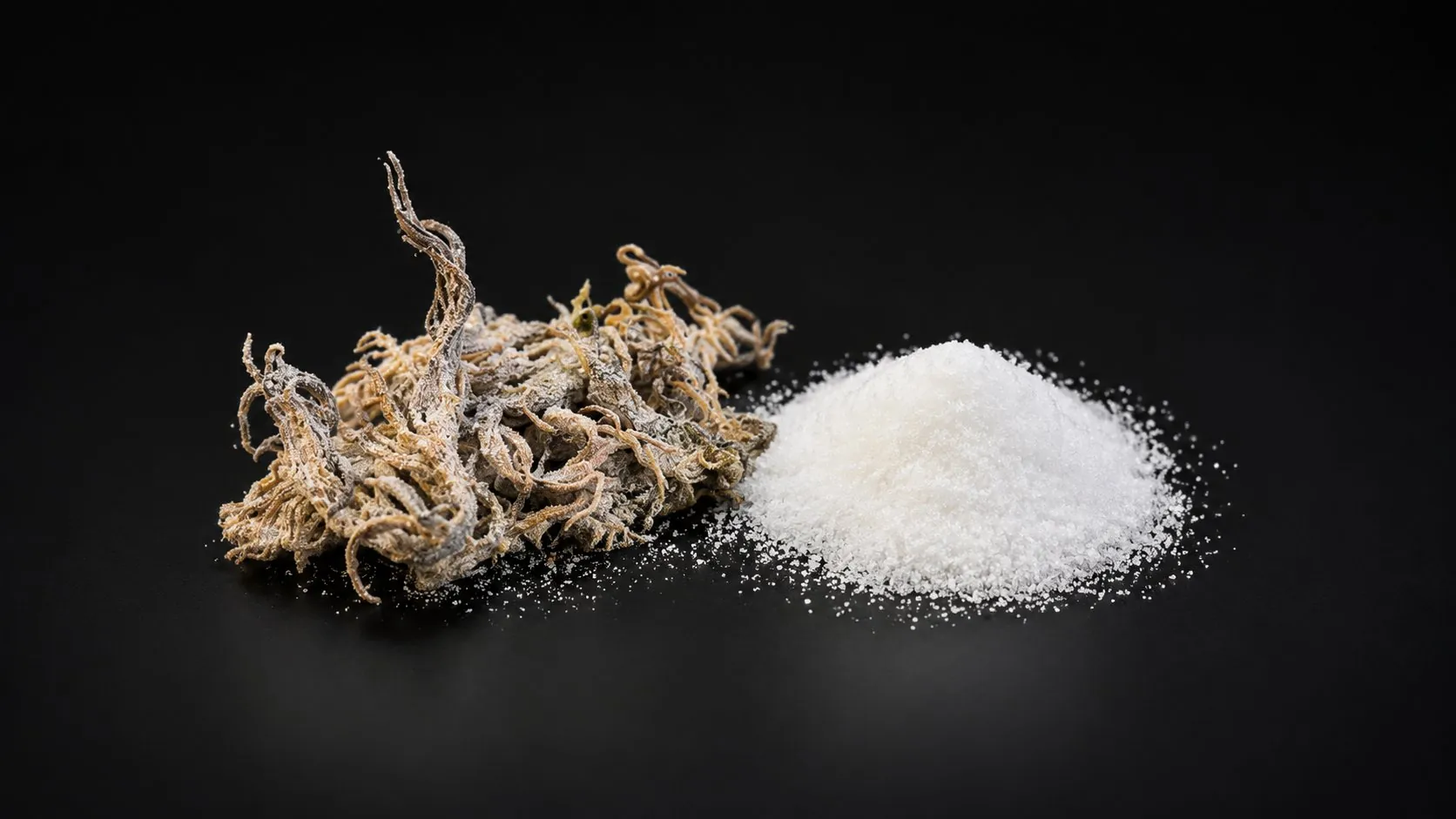
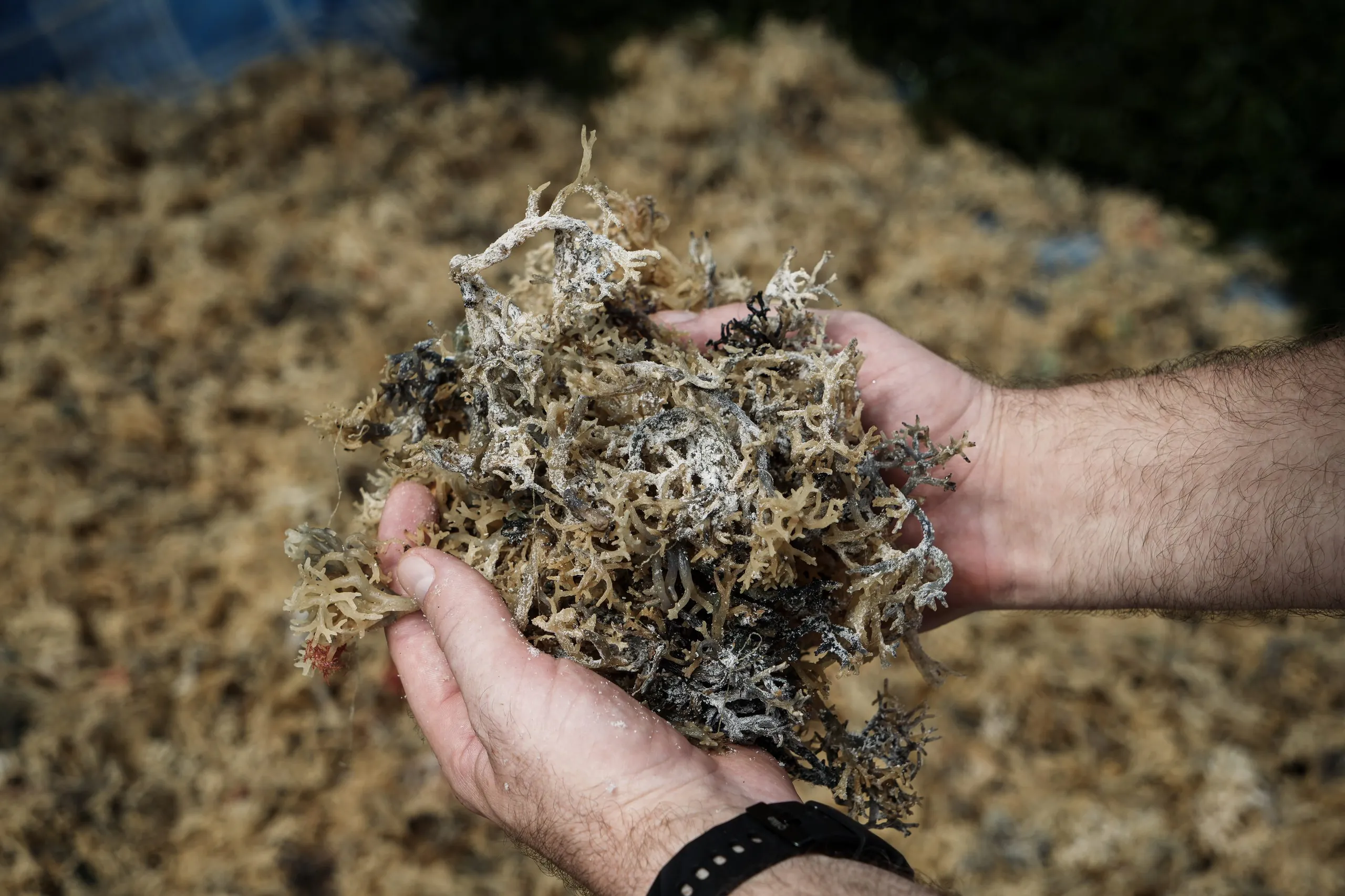
Food-grade potassium chloride, refined from a seaweed-processing by-product in Indonesia. It's a direct replacement for conventional KCl, with a plant-based origin that can be stated on the label.
First deliveries from October 2028 · Samples now
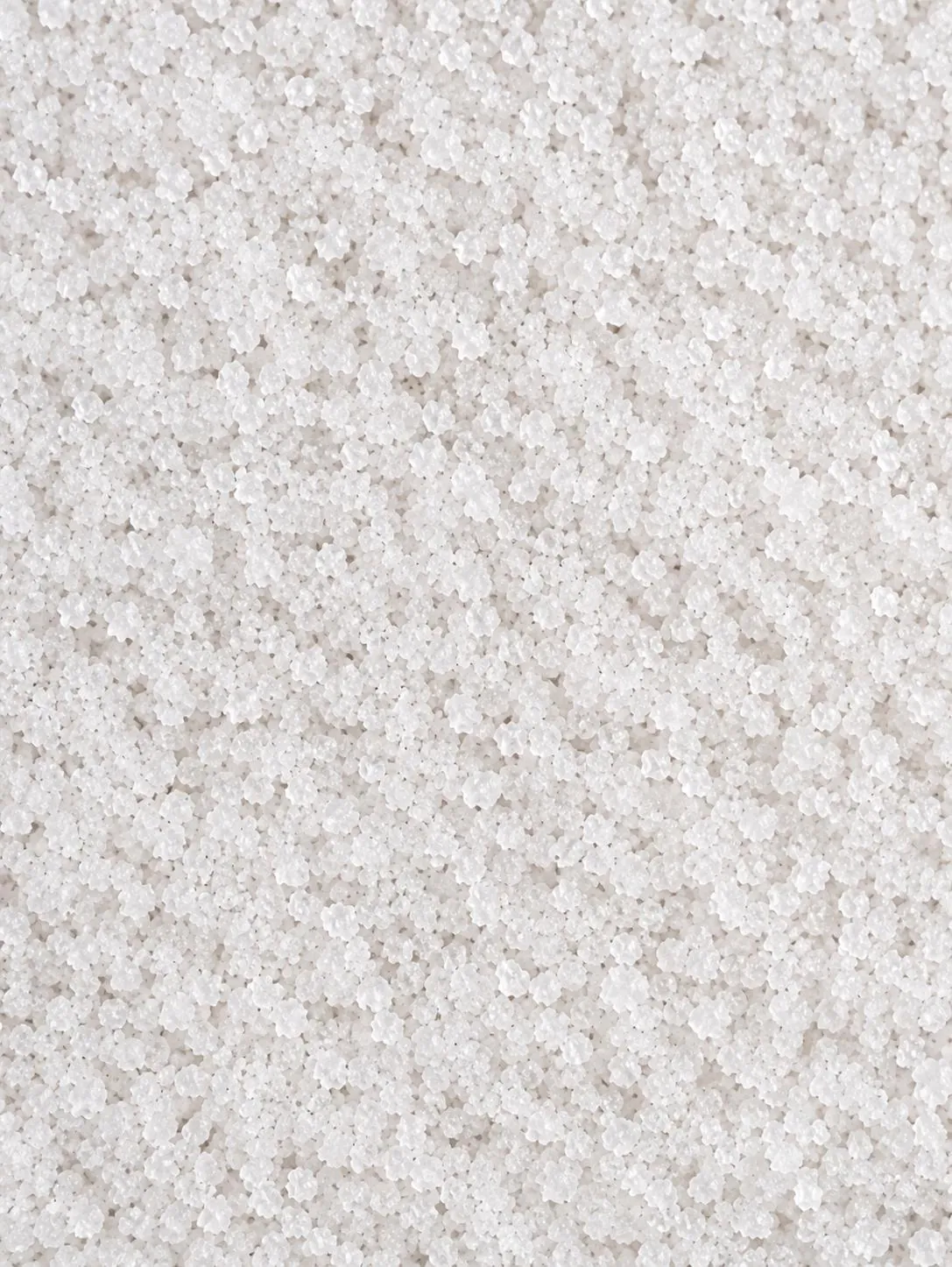
One grain of Plantsalt KCl.
About half a millimeter in size.
Inside, a perfect cubic order.
Potassium and chlorine, one-to-one ratio.
The same molecule as mined KCl. Only the source is different.
One product.
Made for production.
Plantsalt potassium chloride: plant-based, food grade, white and free-flowing. Supplied in industrial packs for your production line.
- For production25 kg bags or 1,000 kg big bags · 3 years shelf life
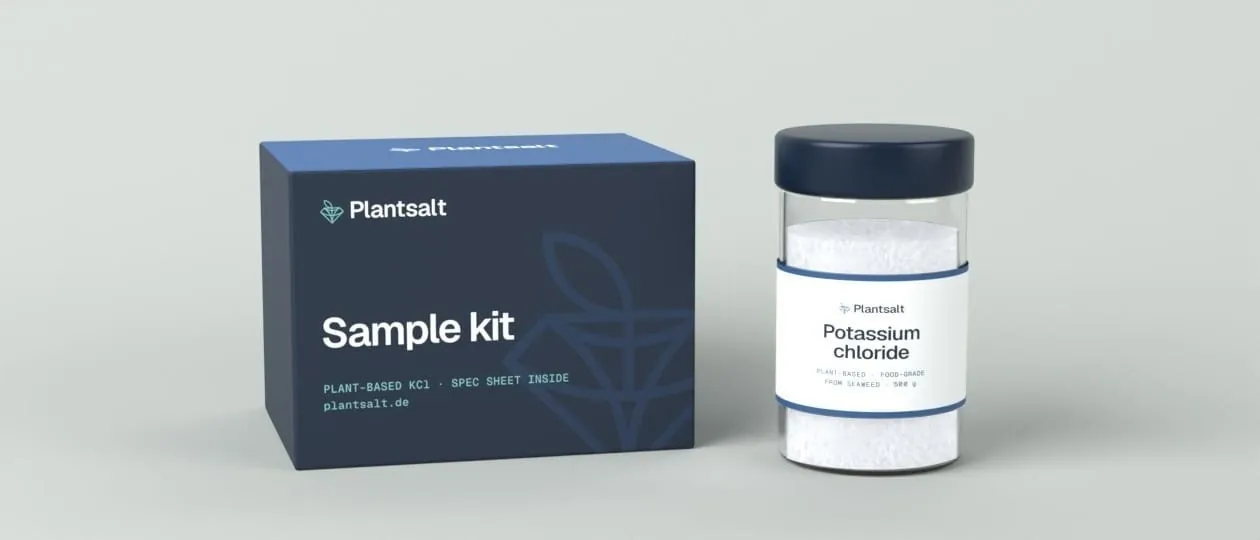
- To try it firstThe free sample kit: a 500 g jar and the spec sheet
One day of salt, rebuilt.
The average adult eats about 11 g of salt a day. Move the slider, or pick a share, and watch the plate and the meter change.
Simplified: all sodium from salt, 393 mg sodium per g salt. WHO recommends under 5 g of salt, that is 2 g of sodium, a day. Not a health claim.

Plant-based.
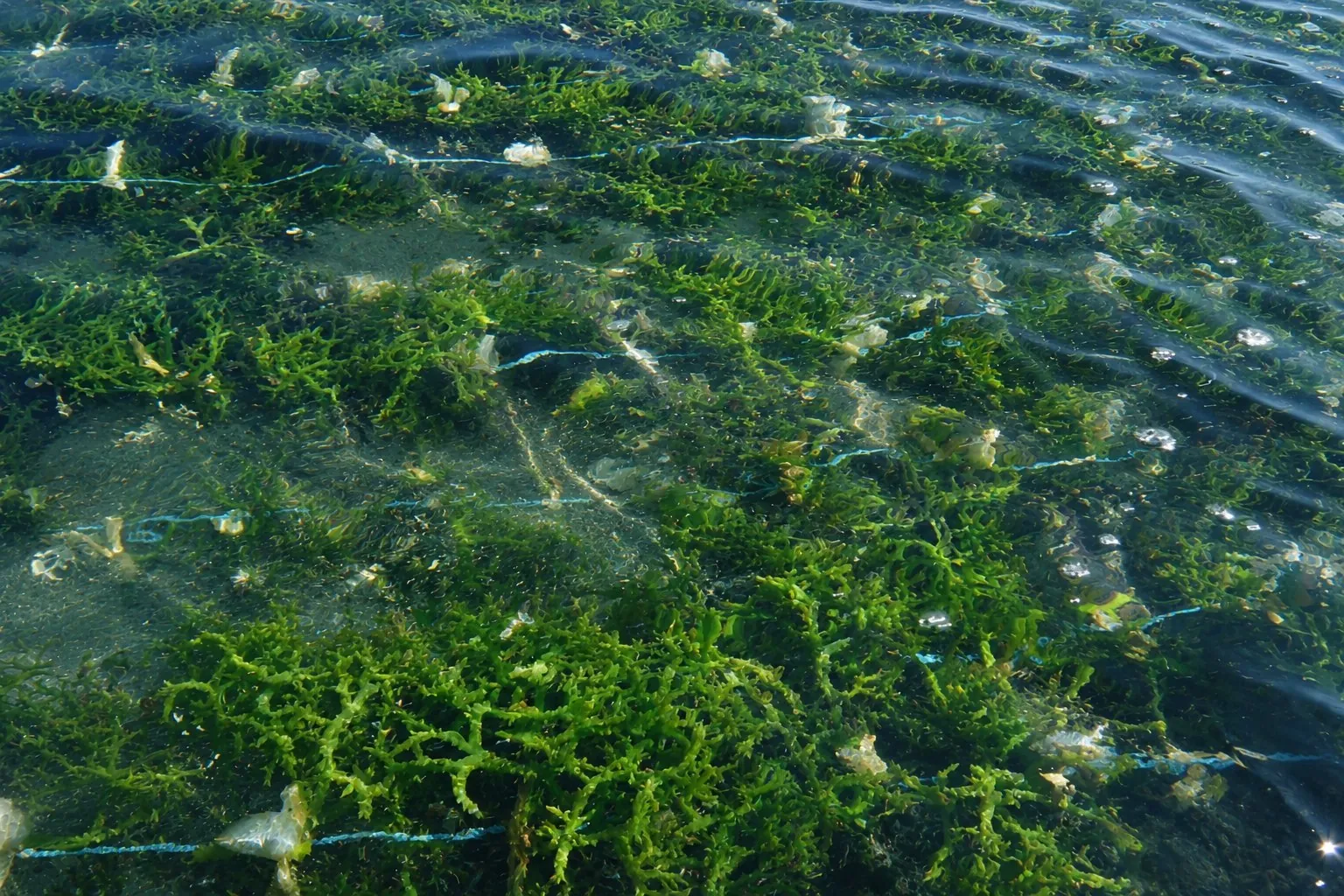
From red seaweed, not from potash ore or brine. A story your customers understand.
Food grade.
At least 99% KCl. Meets EU 231/2012, FCC and JECFA.
Drop-in.
Same function as the potassium chloride you use today. No switching risk.
Made in Southeast Asia.
The region's first food-grade KCl. Shorter supply chains, a second source.
The numbers.
Specification and typical values from our technical data sheet.
Same molecule.
Different origin.
- KCl · food grade E508
- From a seaweed side-stream
- Plant-based origin
- Made in Southeast Asia, from 2028
- Puts a residue to use
- KCl · food grade E508
- From potash ore or brine
- Mined or drawn from salt lakes
- Imported into the region
- Primary extraction
Taste and function are those of potassium chloride. Only the origin changes.
Where it goes.
How much of the sodium chloride food makers typically replace with potassium chloride, by category.
How much sodium can your product lose?
Above about 30%, food makers add masking agents against bitterness.
less sodium per 100 g (−30%) · 472 → 330 mg
less sodium a year
KCl a year · 0.18% of plant output
EU: a sodium cut of 25% allows a "reduced sodium" claim (Regulation 1924/2006). Check with your regulatory team.