Science
The science of less sodium.
Sodium and potassium are neighbours in the periodic table. Here is what that means for food, and for the people who consume it.
K⁺ potassiumCl⁻ chloride
Potassium chloride is also a salt. It forms the same cubic crystal as table salt (sodium chloride), so it can replace some of the sodium chloride.
Scroll


Sodium
11 g
Most adults eat about 11 g of salt a day, more than twice the WHO limit of 5 g.
Blood pressureToo much sodium raises blood pressure.
Too much sodium raises blood pressure.
Potassium contributes to the maintenance of normal blood pressure.
Wording of the authorised EU health claim for potassium.
The swap
Replace part of the sodium chloride with potassium chloride: less sodium, same salty taste.
Try the sodium calculator
WHO guideline · January 2025
Lower-sodium salt substitutes that contain potassium.
The WHO recommends replacing regular table salt with low-sodium salt substitutes containing potassium for the general adult population.
- A conditional recommendation, based on moderate-certainty evidence.
- It does not apply to children, pregnant women, or people with impaired kidney function or other conditions that affect potassium balance.
- It applies to household salt. Food manufacturers are a separate route to the same goal.
Taste
Potassium chloride tastes salty.
BitternessAbove about 30% of the salt, it can taste bitter.
Above about 30% of the salt, it can taste bitter.
Yeast extracts, herbs and umami ingredients help.
FunctionSalt also works in food: yeast, texture, shelf life.
Open the application finder
Salt also works in food: yeast, texture, shelf life.
Test it in your recipe.
Open the application finder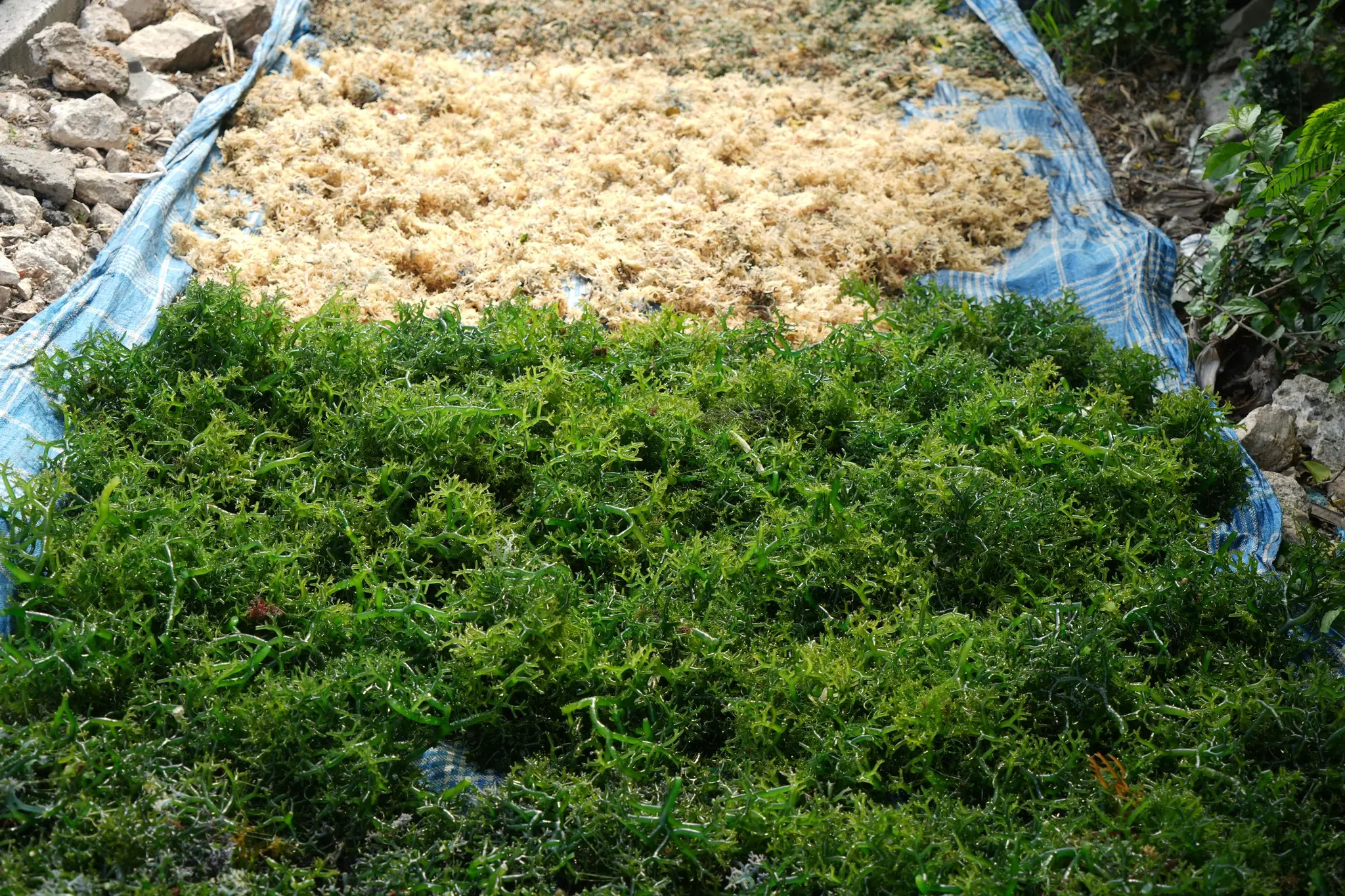
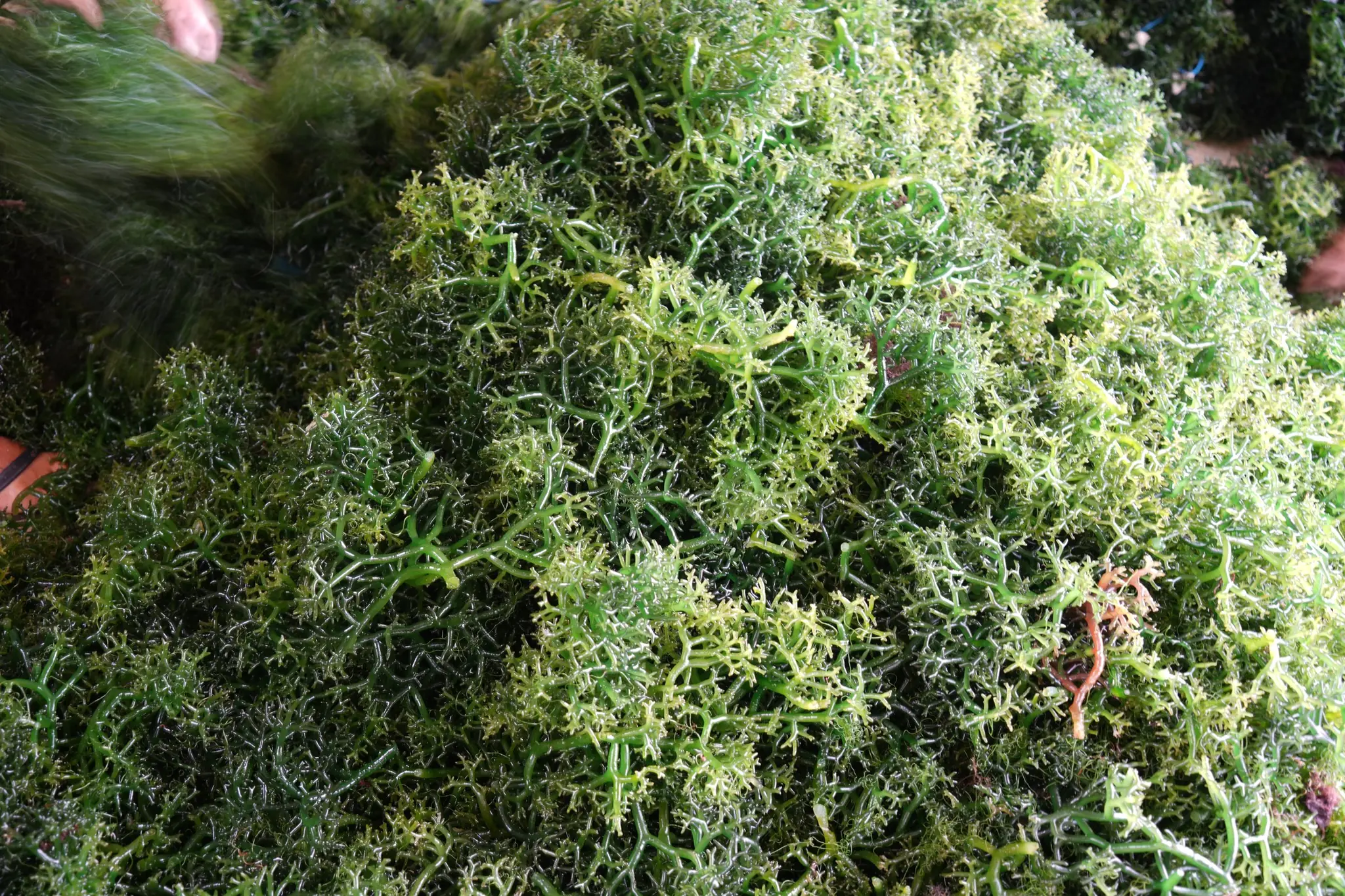
From side-stream to KCl
Four steps.
Four steps.
Patent pending.
Three patent applications protect the method. Here is the outline.
Tap a step for detail.
Process engineering with K-UTEC, Germany.
Research library
Every claim, with its source.
HealthSodium reduction
Fact sheet · World Health Organization2023 ↗ HealthUse of lower-sodium salt substitutes
Guideline · World Health Organization2025 ↗ HealthGlobal Burden of Disease: dietary risks
Study · The Lancet2019 ↗ HealthPotassium intake for adults and children
Guideline · World Health Organization2012 ↗ RegulationNutrition and health claims (EC) No 1924/2006
EU law · "Reduced sodium" at a 25% cut2006 ↗ RegulationFood additive specifications (EU) No 231/2012 · E508
EU law · Purity criteria for potassium chloride2012 ↗